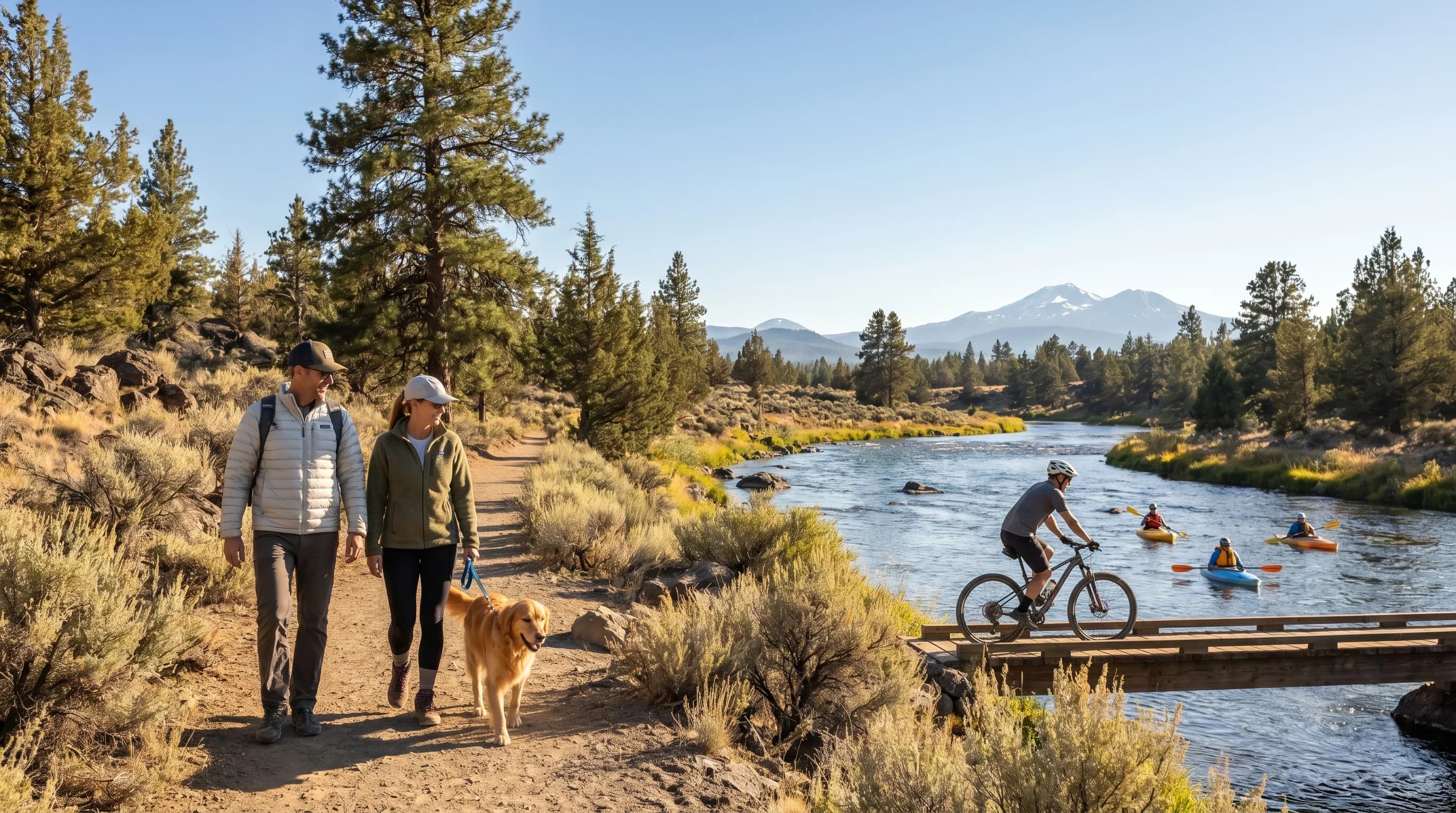
The best time to visit Bend, Oregon for weather is late June and September: warm sunny days, comfortably cool nights, and lower wildfire-smoke risk than the peak summer weeks in between. Skiers want December through March, when Mt. Bachelor is in full swing and often runs into May. The trickier windows are deep January, with its cold and ice, and August, the heart of smoke season. The right month really depends on what you want to do, because Bend offers a genuinely different experience in every season.
When Is the Best Time to Visit Bend, Oregon?
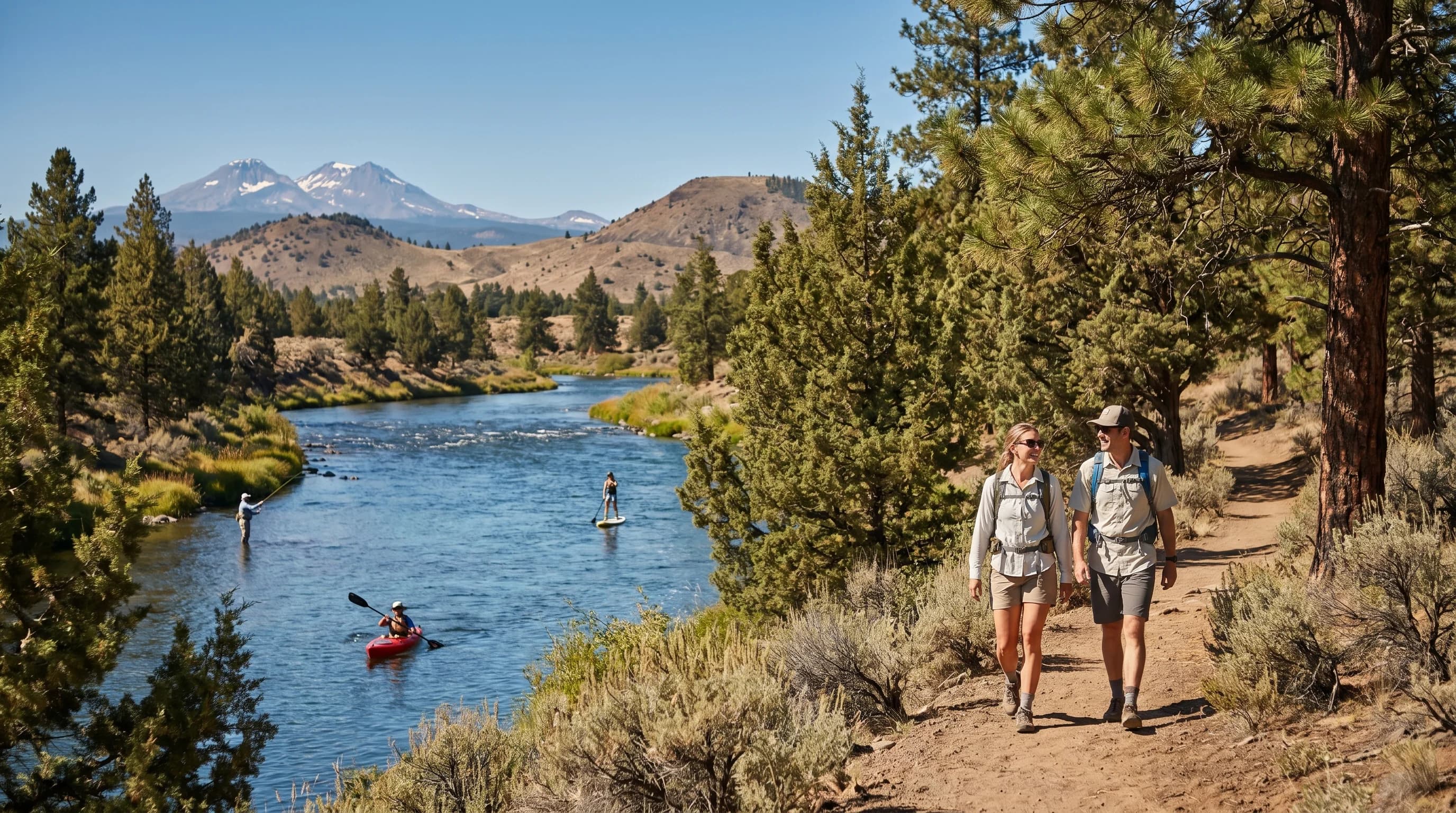
For most visitors chasing good weather, the standout windows are late June and September. Both deliver warm, sunny days in the 70s and 80s, comfortably cool nights, and a lower chance of wildfire smoke than the deep-summer stretch in between, all while avoiding the peak crowds of July and August. Late June catches the start of reliable summer weather before fire season ramps up, and September catches the settled, golden end of summer once the smoke risk begins to fade.
That said, "best" depends entirely on your plans. A skier's best month is the opposite of a river-floater's, and someone after solitude and low prices will weigh the shoulder seasons differently than someone after guaranteed sun. The rest of this guide breaks down the best timing by goal, so you can match the month to the trip rather than chasing a single answer. For the month-by-month detail behind these recommendations, see the Bend by-month guide.
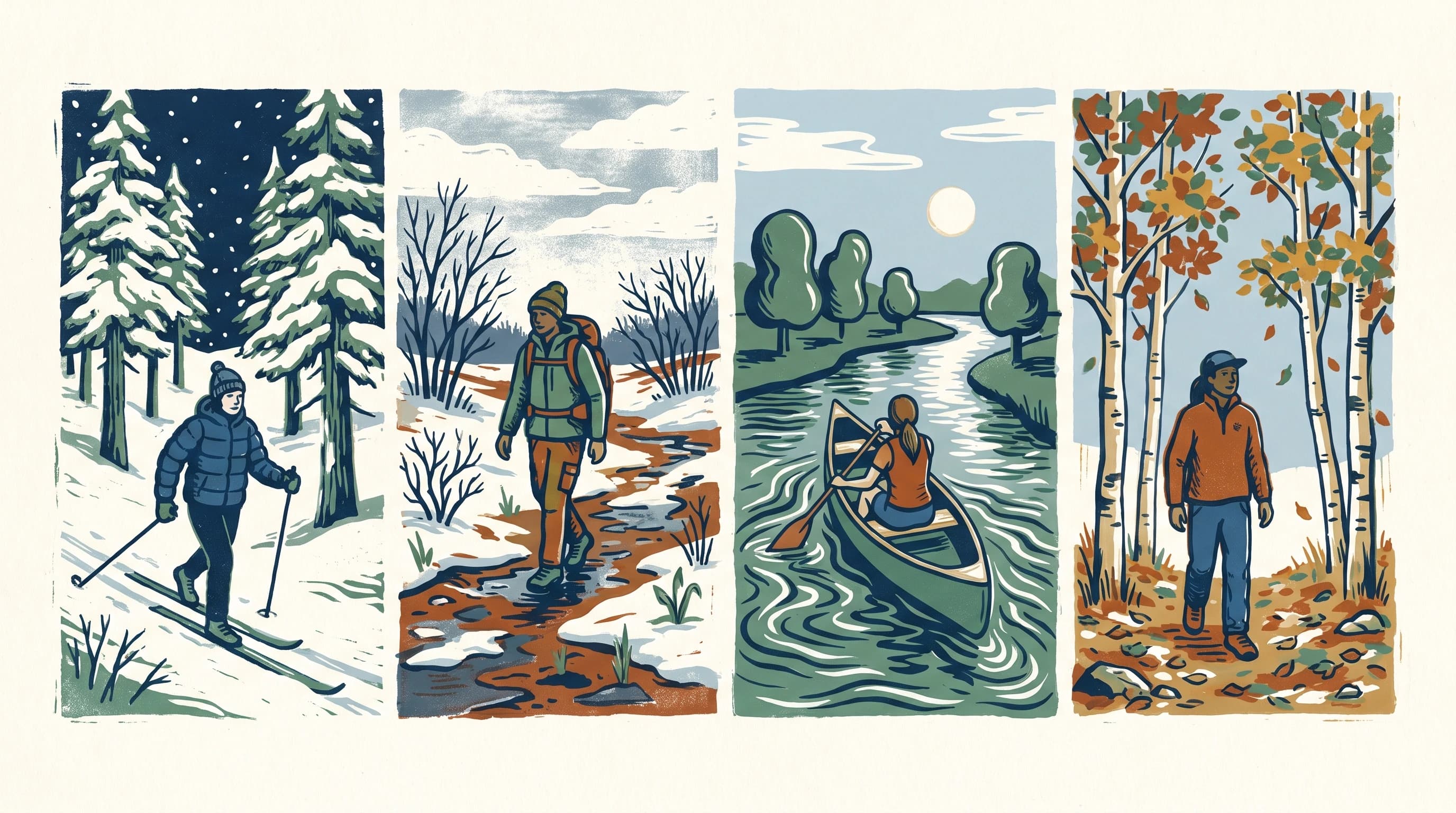
It also helps to picture how the Bend calendar actually flows, because the transitions matter as much as the peaks. The good-weather window builds through June, peaks in the warm, dry heart of summer that is shadowed by smoke risk, eases into the reliably pleasant stretch of September, then tips into the crisp, frosty days of October before winter's snow and ice take over from November on. Spring runs the cycle in reverse, thawing out of winter through a windy, muddy, unpredictable March, April, and May. Knowing that rhythm lets you target the edges, the start of summer or the start of fall, where you get the season's best without its worst.
Best Time for Warm Weather and Outdoor Activities
For warm-weather trips, late June through July and early September are ideal, with reliable sun for hiking, biking, and the river before and after the smokiest weeks. Afternoon highs reach the 80s and low 90s, the lakes and the Deschutes River are at their best, and the long days give plenty of time outdoors. July is the warmest and driest stretch, though it also opens the wildfire-smoke window, so early July tends to be cleaner than late July.
Early September is many locals' favorite for warm-weather recreation, with the heat easing, the crowds thinning after Labor Day, and the air often clearing as the first fall systems approach. The one variable nobody can schedule is smoke, so warm-weather visitors benefit from flexibility and a habit of checking the air-quality forecast, the subject of Bend air quality and smoke.
Best Time for Snow and Skiing
The best time for snow and skiing in Bend is December through March, when Mt. Bachelor is in full swing and town has its most reliable snow. Midwinter, roughly January and February, brings the deepest snowpack and the most frequent storms, while March offers sunnier spring skiing with softer afternoon snow. Bachelor's long season often stretches into April and May, giving late-season skiers a window few mountains can match.
Winter visitors should plan for cold, short days, and real winter driving, including the freezing fog and black ice that are the everyday hazard in town. But the payoff is deep, dependable snow and bluebird days between storms, the bright cold weather that makes a Central Oregon ski trip special. The mountain's conditions are covered in the Mt. Bachelor weather guide.
When to Avoid Bend: Smoke and Deep Cold
The trickiest times to visit Bend are August, the peak wildfire-smoke window, and the depths of January, when deep cold and ice set in. August can deliver brilliant clear weeks or smoky ones, and there is no way to know far in advance, so it carries the most risk of a plan derailed by haze and poor air quality. It is not a reason to stay away, but an August trip should have indoor backup plans and flexibility built in.
Deep January brings the year's coldest temperatures, shortest days, and most persistent freezing fog and ice, which is wonderful for skiers but harder for general sightseeing and winter driving. Neither August nor January is off-limits, but both reward going in with clear expectations: smoke flexibility in late summer, winter-driving readiness in midwinter.
Best Time for Fewer Crowds and Good Value
For fewer crowds and better value with still-decent weather, target spring, April and May, and late fall, October and November, accepting more variable conditions in exchange. Spring is quiet and affordable, with warming days, opening low-elevation trails, and spring skiing still going at Bachelor, though it is also the windiest, most changeable season with late snow possible. Late fall brings crisp, clear days and fall color before winter sets in.
These shoulder seasons are the locals' secret for a relaxed, uncrowded Bend, and they pair well with packing for a wide range of conditions, covered in what to pack for Bend by month. Whatever window you choose, the one constant is Bend's wide daily temperature swing, so plan for warm afternoons and cold mornings in every season, and you will get the most out of the high desert's weather.