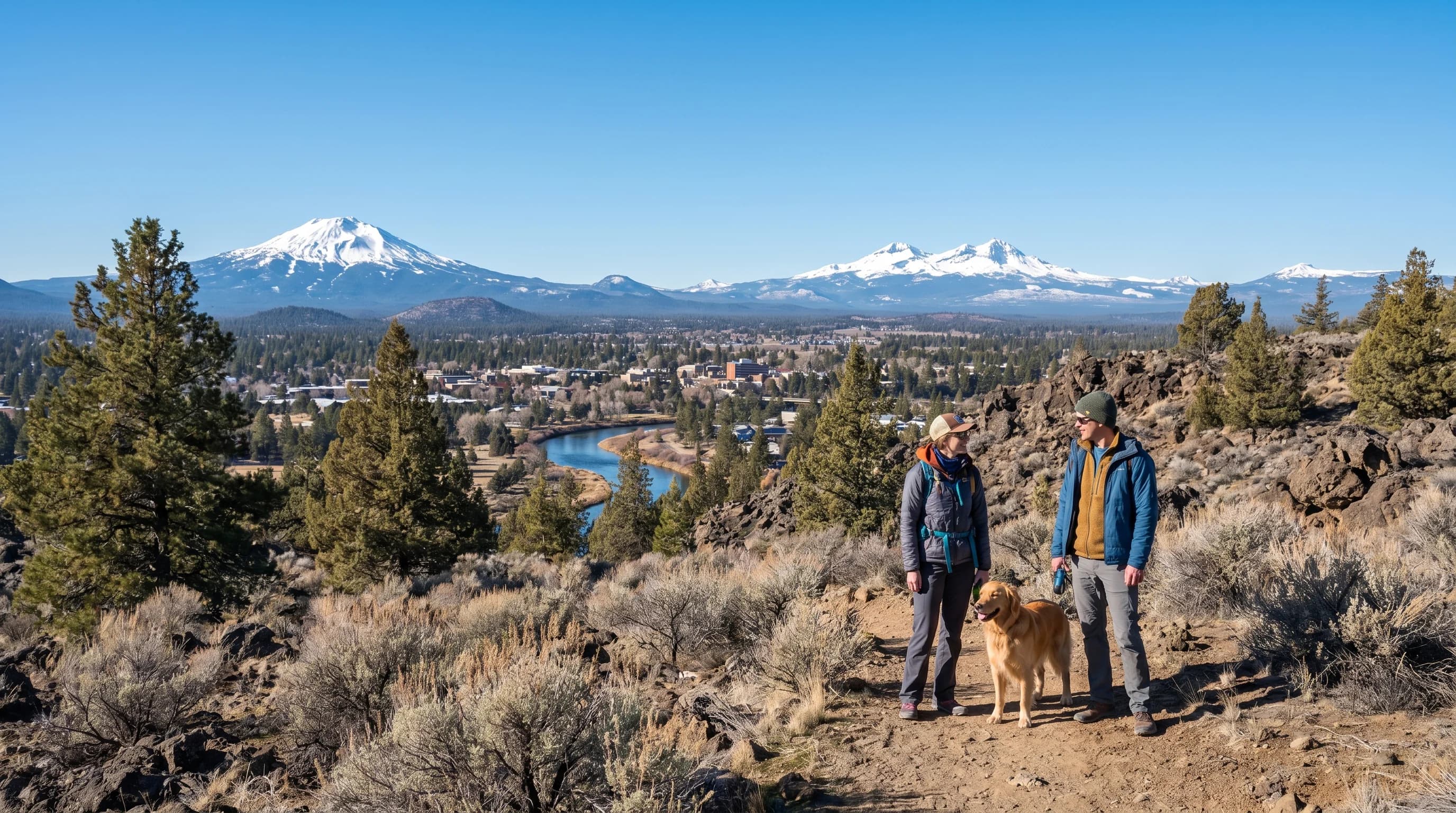
Bend's air quality is excellent most of the year, clean, dry high-desert air with sweeping views, but during wildfire smoke events in late summer it can drop to among the worst in the country within hours. The same is true on cold, stagnant winter mornings, when wood smoke and an inversion combine to haze the basin. Understanding when and why Bend's air gets bad, and what makes it clear again, helps you plan around the few times each year the air is genuinely unhealthy. The two culprits are wildfire smoke in summer and trapped wood smoke in winter, and both come down to the weather.
How Is Bend's Air Quality Most of the Year?
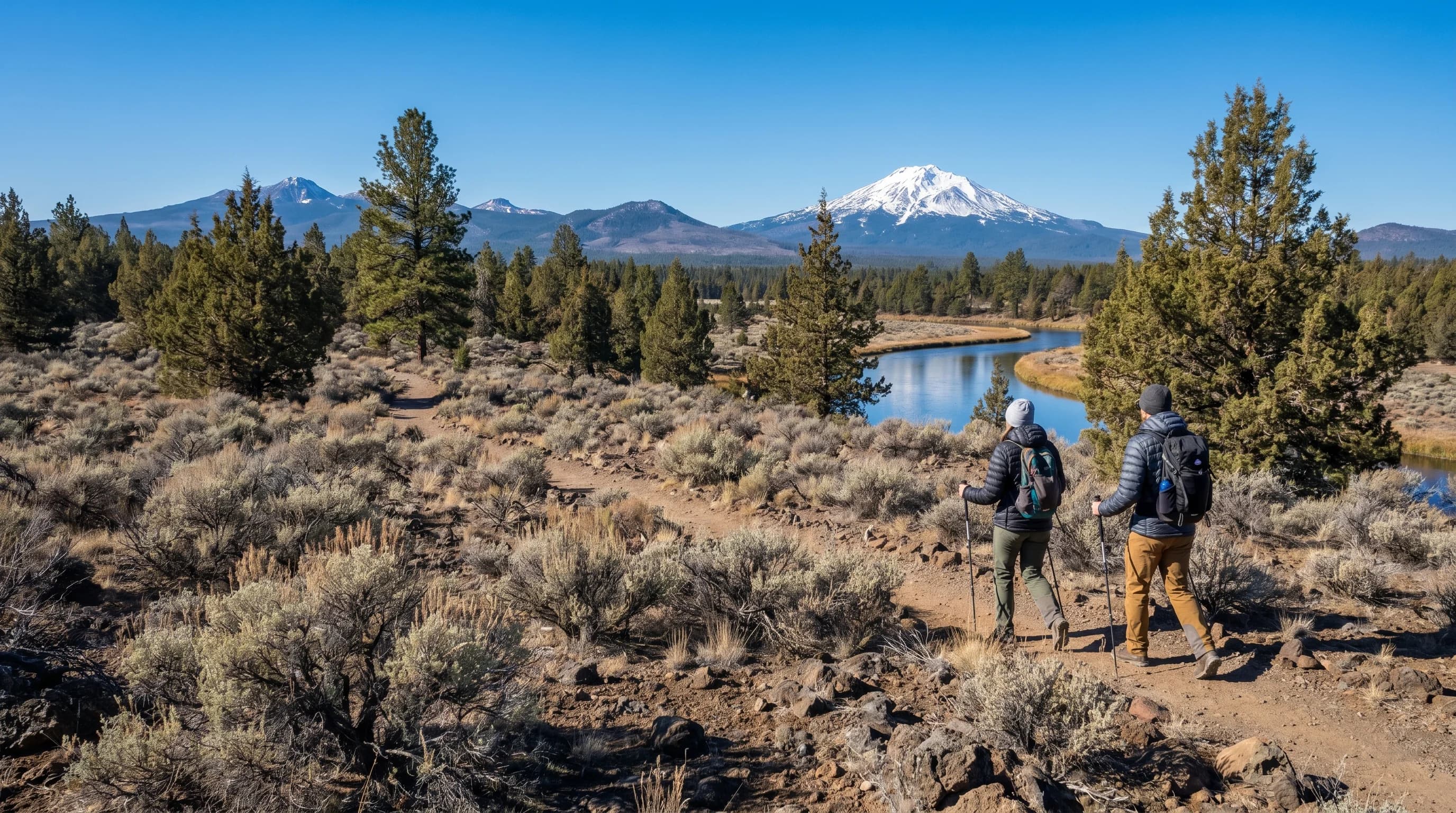
Bend has clean, clear air for most of the year, with the dry high-desert climate, low humidity, and frequent wind keeping pollution from building up. The region has little heavy industry, the air is dry and often breezy enough to disperse what pollution there is, and the famous clear skies are the norm. On a typical day, the Air Quality Index sits comfortably in the good range, and the air is part of what draws people to the high desert in the first place.
That clean baseline is exactly why smoke events feel so dramatic when they hit. The air goes from pristine to hazardous, and the contrast is jarring, but the bad-air days are the exception rather than the rule. There are essentially two seasons when Bend's air quality is at risk: late summer, from wildfire smoke, and the cold heart of winter, from wood smoke trapped under an inversion. The rest of the year, the air is reliably clean.
Why Summer Smoke Makes the Air Bad
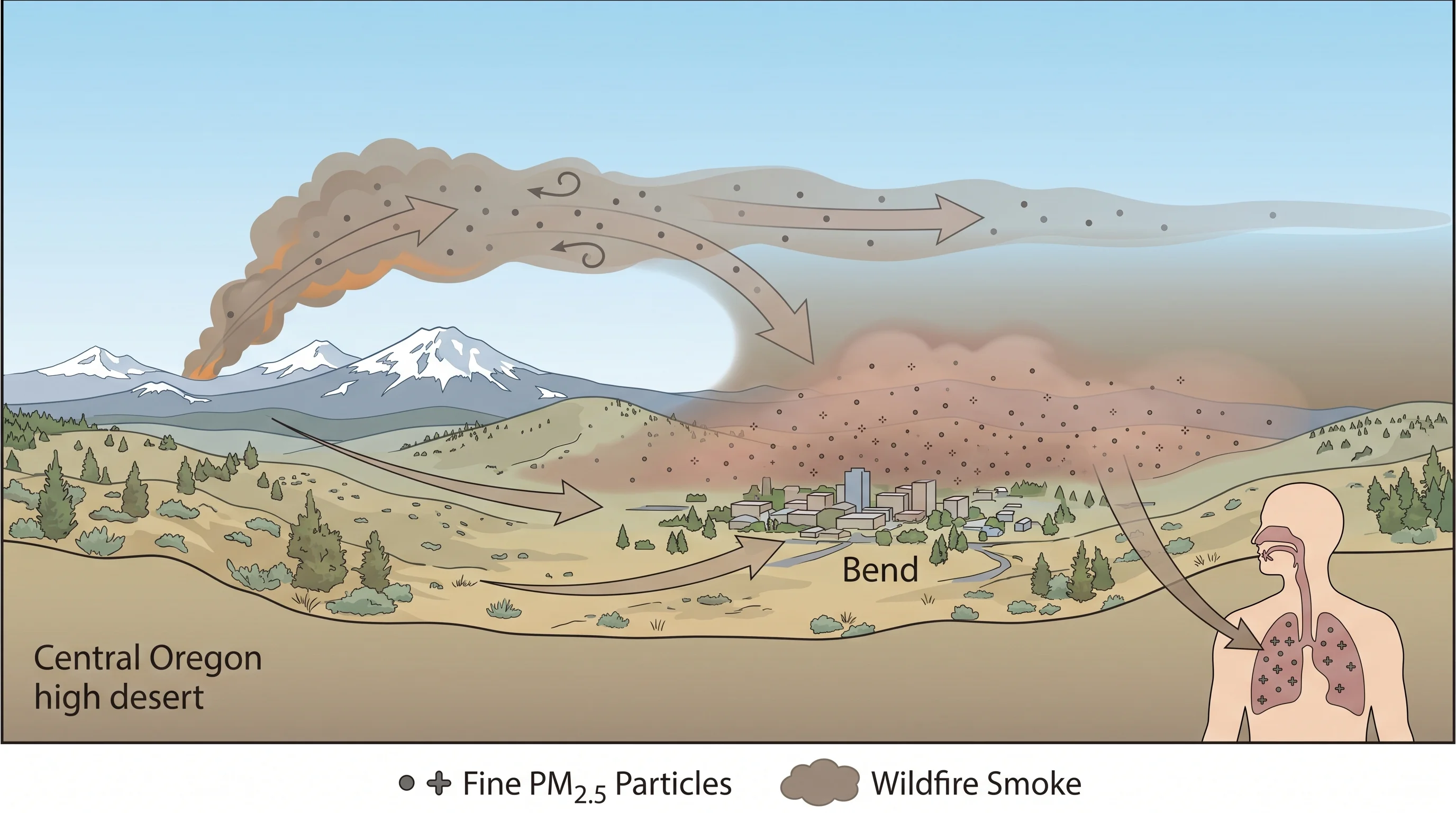
Wildfire smoke is the main cause of bad air in Bend, drifting in during the July-through- September fire season and loading the air with fine particle pollution. The dangerous component is PM2.5, particles smaller than 2.5 microns that lodge deep in the lungs and even enter the bloodstream, the same pollutant that drives the AQI into unhealthy ranges, covered in what is PM2.5. Most of this smoke is imported on the wind from fires across the West, the subject of where Bend's smoke comes from.
The air gets worst when the wind blows from active fires and a stable summer high-pressure pattern traps the smoke near the surface, letting it pool in the basin for days. On the worst days, visibility drops to a few miles, the sun glows orange, and outdoor activity becomes unhealthy, especially for children, older adults, and people with heart or lung conditions. The details of what makes the AQI spike on any given day are in why the air quality is bad today. Smoke scattering also explains why the sun turns red and why the moon can look orange through the same hazy air. Summer smoke is unpredictable, but it is the single biggest air-quality risk of the year.
Why Winter Air Can Also Go Bad
Bend's air can also degrade in winter, when wood smoke from stoves and fireplaces gets trapped in the basin under a temperature inversion. On cold, calm, clear nights, cold air pools in the Deschutes Basin and an inversion caps it with a warm lid, the same mechanism that produces freezing fog, covered in temperature inversions in Central Oregon. Because the lid prevents the air from mixing out, wood smoke emitted into the trapped layer accumulates instead of dispersing.
The result is winter haze and elevated PM2.5 in the basin during stagnant cold spells, even though there is no wildfire involved. These episodes are usually milder and more localized than summer smoke, but they can still push the air quality into the moderate or unhealthy range for sensitive groups, and they tend to be worst in the evenings and early mornings when wood burning peaks and the inversion is strongest. The same calm, clear, cold high-pressure conditions that bring beautiful winter days are what trap the smoke.
When Does the Air Clear?
Bend's air clears when the weather changes enough to disperse the pollution, most reliably when the wind picks up or a front moves through. In summer, a shift in wind direction away from the fires, or an incoming weather system that stirs the atmosphere, can sweep out the smoke and return the air to clean within hours. The same instability that ends an inversion, wind, a front, or strong daytime mixing, is what flushes the basin.
In winter, the trapped wood smoke clears when wind or an approaching storm breaks the inversion and lets the stagnant air mix out. This is why air-quality forecasts hinge on the wind and weather pattern rather than on the fires alone: the pollution may be present, but whether it sits over Bend or blows away depends on the atmosphere. A windy or stormy forecast is usually good news for air quality, while a calm, stable high-pressure pattern, in either season, is the setup for haze to linger.
How to Protect Yourself When the Air Is Bad
When Bend's air quality is bad, the best protection is to limit outdoor exertion, stay indoors with filtered air, and watch the AQI to time your activities around the cleaner windows. Check the current Air Quality Index before outdoor plans, since smoke can change fast and a clear morning can turn hazy by afternoon. When the AQI is high, reduce strenuous outdoor activity, keep windows closed, and run an air purifier or a well-filtered HVAC system if you have one. Sensitive groups should be especially cautious.
It helps to keep perspective: most of the year Bend's air is excellent, and even in smoke season many days are clear and many smoky spells are brief. The bad-air days are a manageable minority, and flexibility, shifting plans to clean windows, choosing indoor or less-affected options when the haze rolls in, goes a long way. For how air quality fits the seasonal weather picture, see the Bend by-month guide, and watch the AQI closely from midsummer on and during cold winter stagnation.